Sambar · Japan
The little truck left. The name stayed.
A factory farewell and a surviving nameplate are different endings.
Rally blue on a working vehicle
The 2011 fiftieth-anniversary WR BLUE LIMITED put WR Blue Mica and black seats with yellow stitching on Sambar trucks and vans. The announced 1,000-car limit covered both bodies together.
Not one four-wheel-drive system
The edition’s price table distinguishes selective 4WD with a manual gearbox from viscous full-time 4WD with the automatic. Even this small corner of the catalog resists the idea that every Subaru AWD system is identical.
A farewell at Gunma
On 29 February 2012 FHI announced the end of Sambar manufacturing at Gunma Main Plant and of its own minicar production. Its 7,968,000 total covered nine minicar models over 54 years, not Sambar alone.
The next cars, the continuing badge
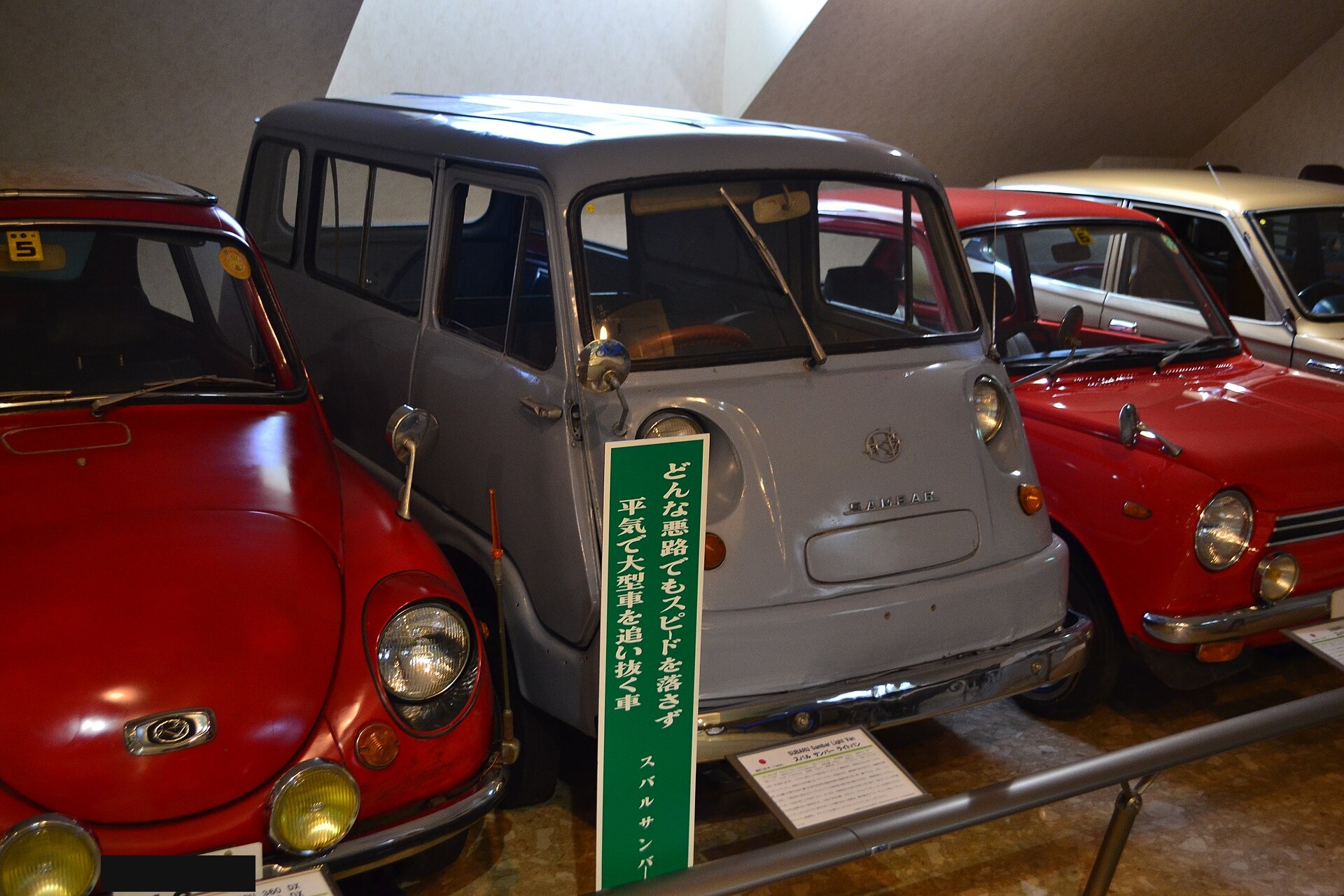
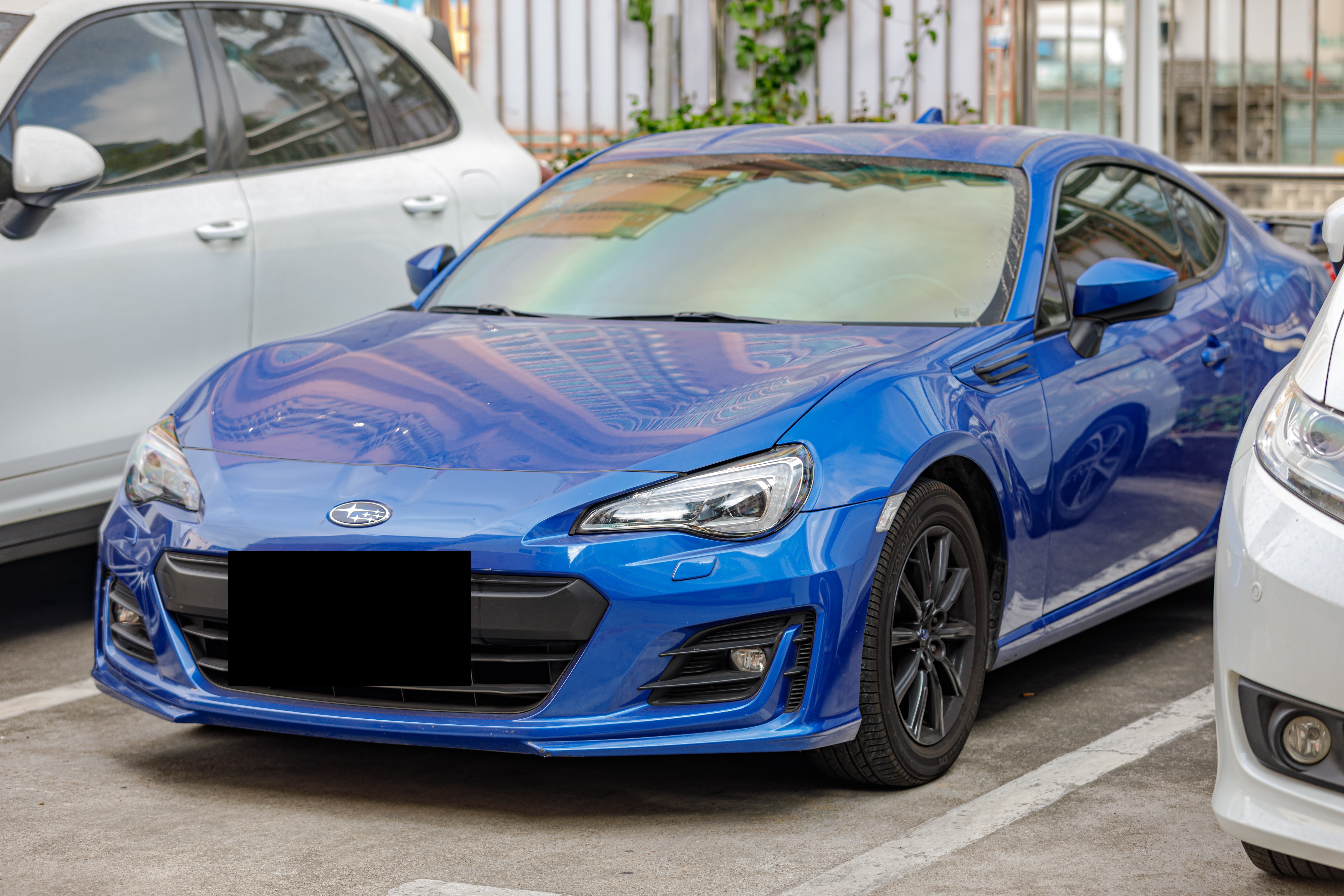
The line was to be renewed for passenger cars, with BRZ and Toyota 86 production scheduled for March. Daihatsu-supplied minicars would continue to be marketed by Subaru. The early museum van pictured here belongs to the earlier manufacturing story.

Read the evidence
Sources behind this story
- Sambar WR BLUE LIMITED fiftieth anniversary
1961 origin; about 3.64 million Sambar produced through June 2011. Planned edition limit 1,000 across trucks AND vans. WR Blue Mica, black seats/yellow stitching. Price table distinguishes selective manual 4WD from viscous full-time automatic 4WD; not 1,000 of each body.
Fuji Heavy Industries / Subaru Corporation · Manufacturer period announcement · accessed 2026-10-07 - End of Subaru mini vehicle production in Japan
Sambar production ended at Gunma Main Plant on 29 February 2012. 7,968,000 is nine Subaru minicar models over 54 years, not Sambar alone. BRZ/86 production scheduled for March, Impreza by March 2013. OEM minicar marketing from Daihatsu continued. URL date differs from release dateline.
Fuji Heavy Industries / Subaru Corporation · Manufacturer period announcement · accessed 2026-10-07