Later kei cars · Japan
An old name. A different idea of small.
R2 revived a name; R1 made room for a different sort of journey.
The hyphen matters
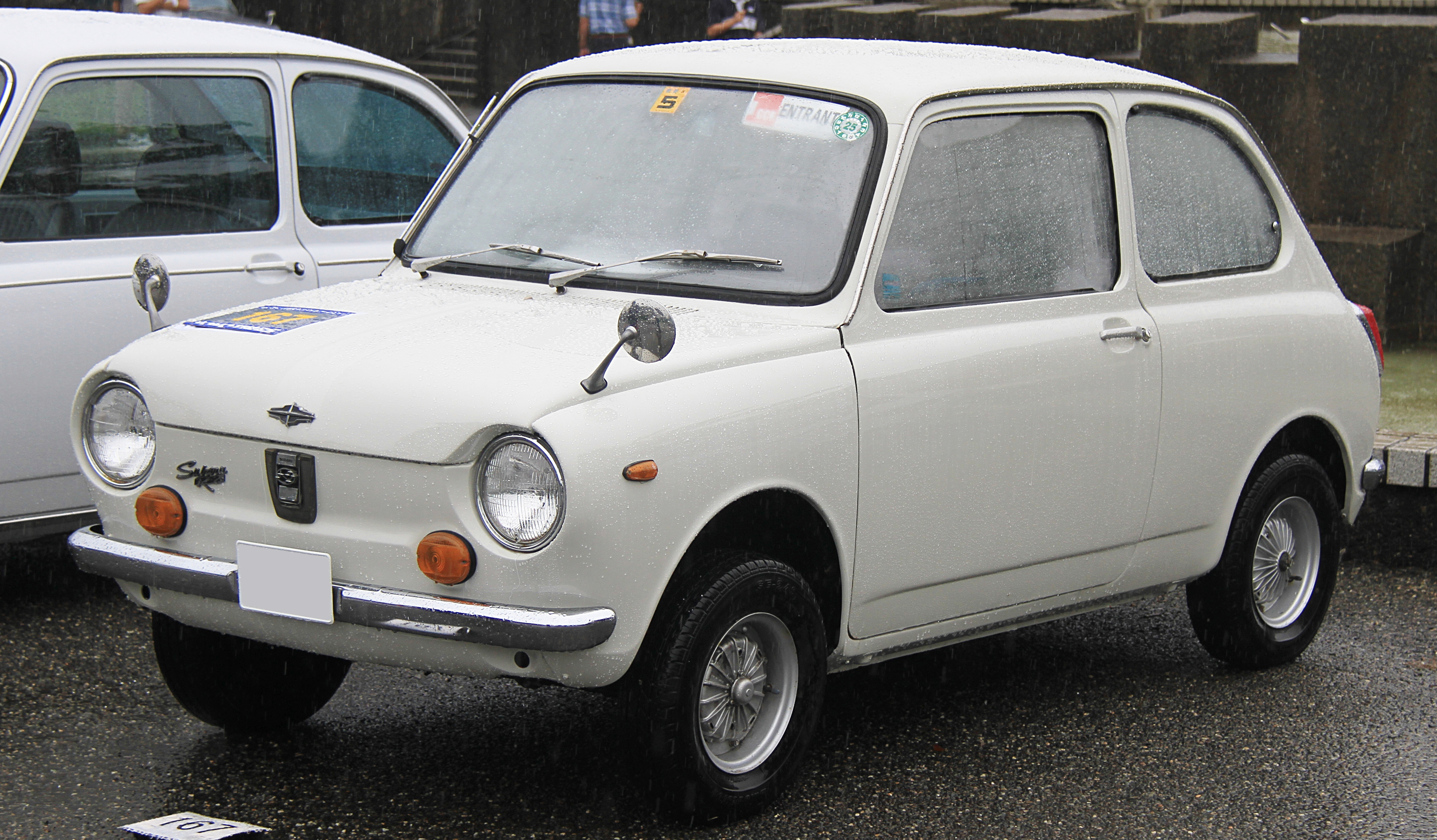
Subaru’s December 2003 R2 announcement explicitly connected its name to the 1969 R-2. It was a naming inheritance, not evidence of an unchanged car. The distinction prevents four decades of engineering from disappearing into one search result.

A quieter exception to the boxer story
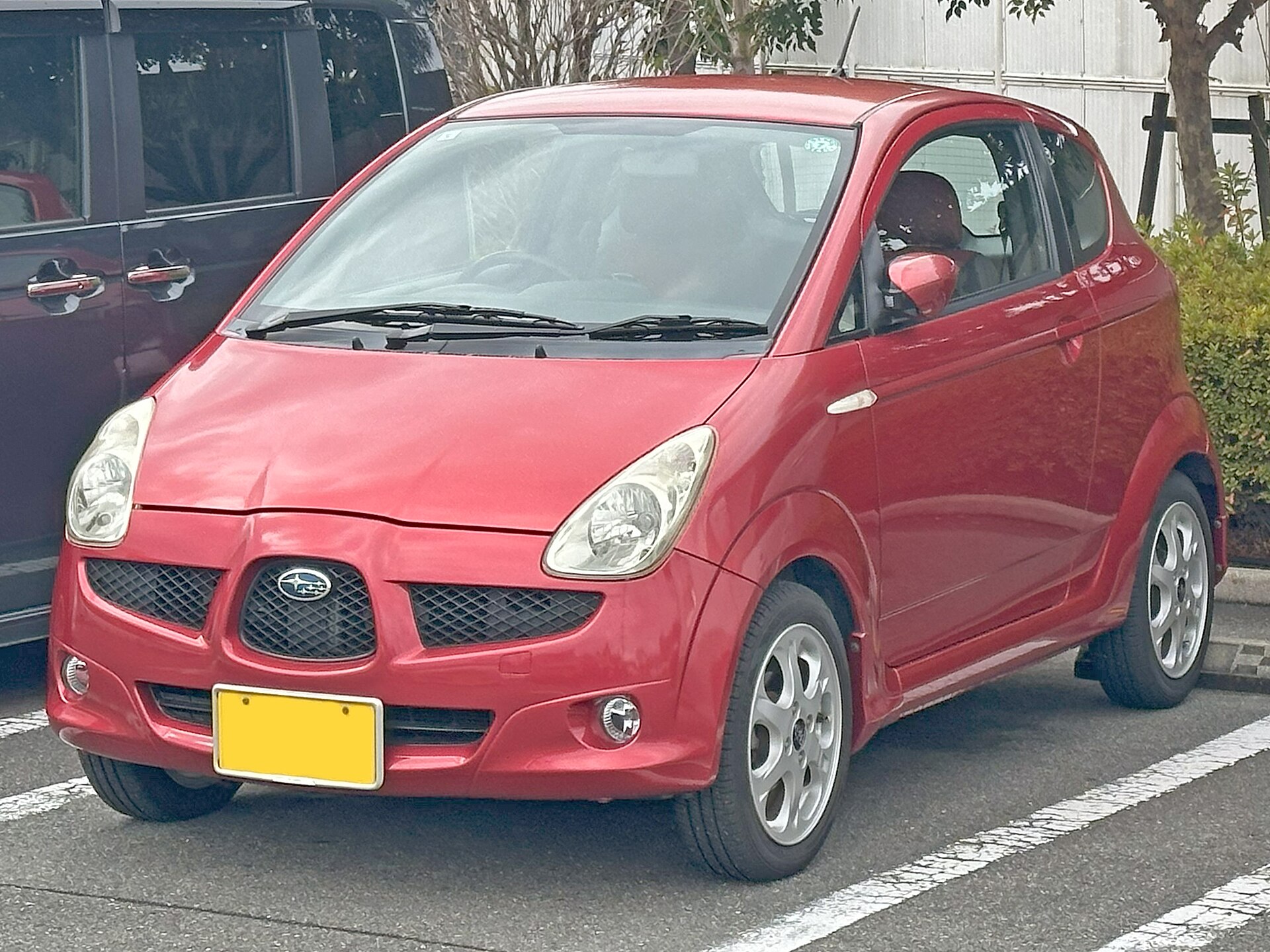
The R1’s launch engine was an inline four: 658 cc, DOHC and AVCS, paired with i-CVT. A Subaru badge alone does not establish a horizontally opposed engine.
2+2, with the front seats first
Subaru described the three-door R1 around personal use. Its rear space could carry two passengers or luggage. That is a four-place arrangement with a clear packaging priority, not simply a two-seat car.
Two calendar dates
The R1 announcement was on Christmas Eve 2004; sales were scheduled for 4 January 2005. A timeline should show which event it means. The inspected photo shows an R1 R, without independently establishing its build year.
Read the evidence
Sources behind this story
- R2 Japanese launch
New R2 reuses the 1969 R-2 name, not its mechanics. SOHC, DOHC AVCS and supercharged engine alternatives. Japanese 10–15 fuel cycle numbers are configuration-specific, not EPA/WLTP.
Fuji Heavy Industries · Manufacturer period announcement · accessed 2026-10-07 - R1 launch announcement
Announcement 24 December 2004, scheduled Japanese sales 4 January 2005. Three doors, 2+2 seating, 658 cc inline four DOHC AVCS/i-CVT at launch; 2WD and viscous AWD. Later supercharged variants are not covered by this launch specification.
Fuji Heavy Industries · Manufacturer period announcement · accessed 2026-10-07