Lead engineer, Subaru 360 and early FHI vehicles · 1919–1997
Shinroku Momose
The engineer behind the Subaru 1500, the 360, the Sambar, and the Subaru 1000 — the car that introduced Subaru's first boxer engine. His aviation-era training and a set of four self-imposed design criteria are credited with steering Subaru's engineering team toward the boxer layout that still defines the brand.
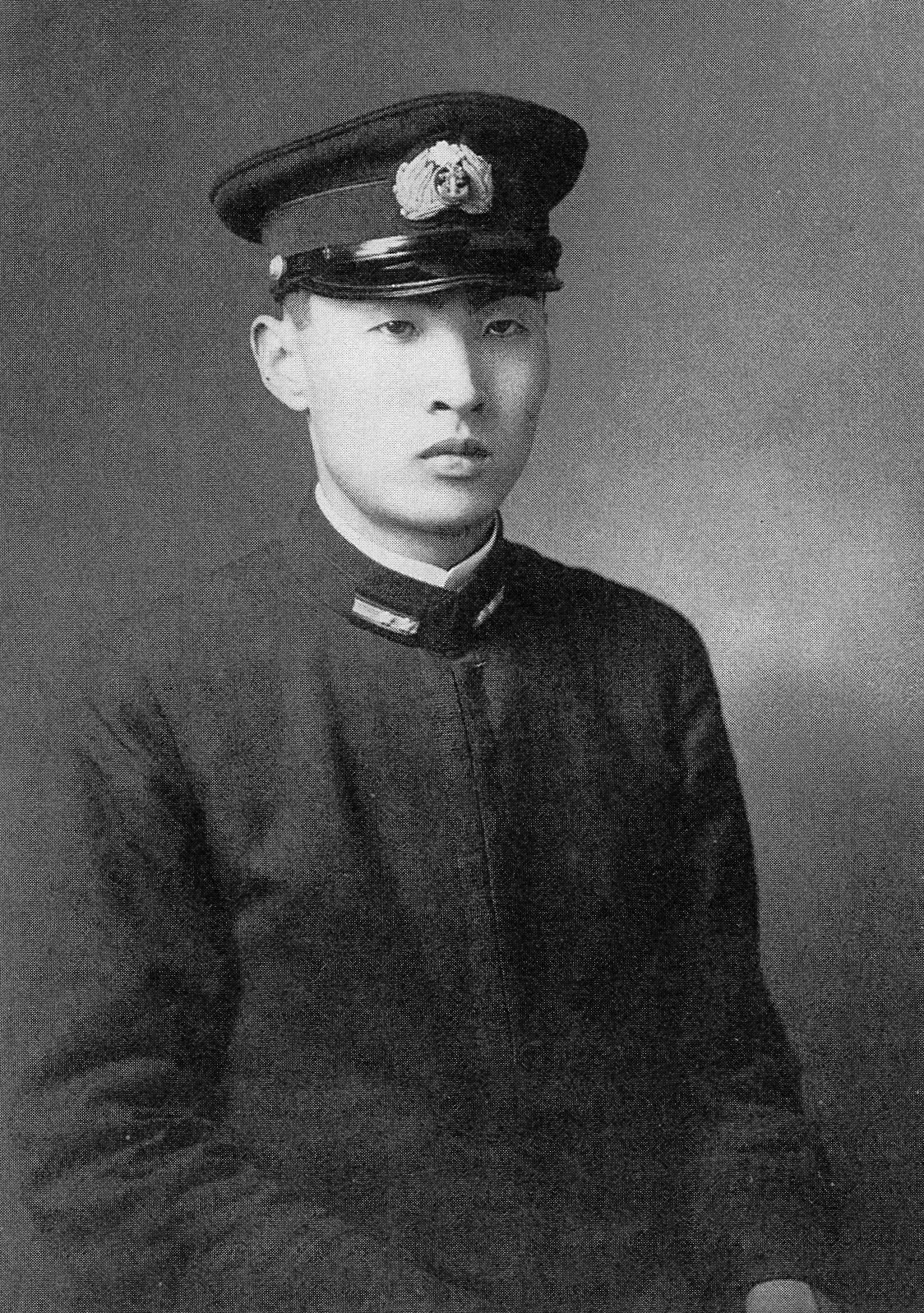
“The engineer whose aviation training and four self-imposed design rules gave Subaru the boxer engine it has built its identity around ever since.”
From aeronautics to automobiles
Born 20 February 1919 in Shiojiri, Nagano Prefecture, the second son of a sake-brewer family. He entered the Department of Aeronautics at Tokyo Imperial University in April 1939, majoring in engine design, then joined Nakajima Aircraft Company in January 1942 while simultaneously enlisting as a Navy ensign. He worked at the Yokosuka Naval Air Technical Arsenal on jet engines and gas turbines, and in 1944 examined turbocharger installation for the Nakajima Homare aircraft engine — his engineering career, like the company's, began in aviation, not automobiles.
The 1500, then the 360
After the war he designed a monocoque rear-engine bus, the Fuji TR014X-2, in 1949, then was assigned in January 1951 to develop the Subaru 1500, completing an initial prototype by February 1954. When the 1500 program was cancelled in December 1955, Momose transitioned the effort into what became the Subaru 360, launched 3 March 1958 — the vehicle that introduced the Subaru brand itself.
Setting the rules that led to the boxer engine
He subsequently led development of the Subaru Sambar (launched February 1961) and the Subaru 1000 (launched May 1966) — the 1000 being the vehicle that introduced Subaru's first boxer engine, the EA52. On the 1000 program, Momose is credited with setting the four design criteria — low engine height, a centered differential, short front overhang, and reduced vibration — that led the engineering team to the boxer layout in the first place.
Recognition
Momose was promoted to the FHI board in May 1967, received the Society of Automotive Engineers of Japan's Technology Contribution Prize in 1987, and was inducted into the Japan Automotive Hall of Fame in 2004, posthumously — he died 21 January 1997, aged 77. Market scope: his entire career was Japan-only; none of his direct engineering work reached the US market under his own name, though its downstream products (boxer engines, kei-car and early-Leone-lineage successors) obviously did.